This study investigates the effect of different solvents on a specific peptide FHFHFYF FHFHFRF and its structure using molecular dynamic simulations performed with GROMACS on a program called MobaXtern. The same peptide sequence and initial structure were used for each simulation, while the solvent varied between water, methanol, and dimethyl sulfoxide. By comparing the resulting structures, this study aims to determine which solvent most effectively preserves the peptide's original structure and investigate the molecular interactions that contribute to the structural differences.
Peptides are accumulated of several amino acids that are arranged in a particular sequence, as a result it shapes their three dimensional structures and overall molecular interactions. Molecular dynamics (MD) simulations provide a computational way to examining these interactions by modeling the movement of atoms over time (Hollingsworth & Dror, 2018). In specific, studies using molecular dynamic simulations have demonstrated that peptides and their 3d shape can change between different solvents because of differences in interactions between the peptide and surrounding solvent molecules (Martinez et al., 2017). The solvent surrounding a peptide can play a significant role in determining whether its initial structure remains stable or changes over time. Water, methanol, and dimethyl sulfoxide (DMSO) all have different chemical properties and can interact differently with peptide atoms and groups. Previous molecular dynamics research has shown that these solvents can produce different behaviors in peptides, demonstrating that the same peptide can adopt different structures depending on its surrounding environment.
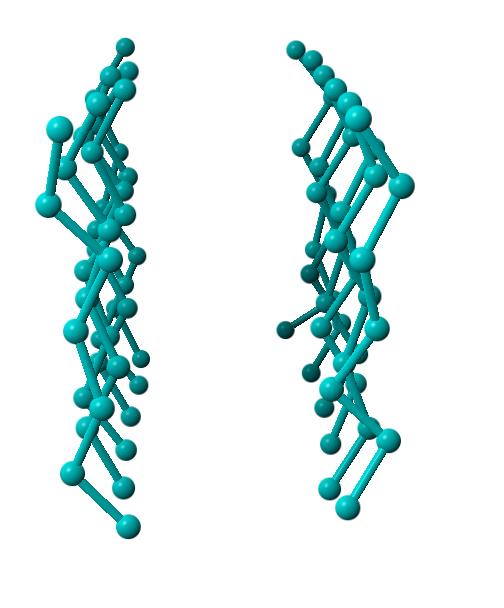
Figure 1: The original peptide FHFHFYF FHFHFRF
YASARA was used to design three peptides, each following an alternating residue structure (Figure 2). Then the molecular dynamics simulations were prepared using GROMACS 2022. The first step was generating the topology files, which contain information about the force field parameters, atom types, partial charges, and bonding rules for the peptide. Next, a simulation box was created around each peptide, leaving enough space between the peptide and the edges of the box to allow the solvent to be added. Sodium and chloride ions were then added to the system. An energy minimization was performed to stabilize the atoms and remove any unfavorable interactions that could cause problems during the simulation. After minimization, the system went through the NVT and NPT equilibration stages before the final molecular dynamics (MD) run. These steps gradually adjusted the temperature, pressure, and atomic positions to help stabilize the system before the full simulation. Each MD simulation typically took approximately two to three days to complete. After the simulation was completed, a cluster was performed to group similar molecular structures together. This helped simplify the results and make the final visualization easier to interpret.
The solvent that keeps the peptides’ original structure the best was the DMSO (Figure 3) Although some molecules were bend out of shape, you can still see the foundation and clearly visualize the two sheets of residue. Compared to the other solvents, that were completely bend out of shape and unrecognizable. Mierke and Kessler study can further explain the reasoning behind dimethyl sulfoxide and its effects, DMSO can interact directly with peptide backbone amide protons and side chains, causing a shift in peptide structure. (Mierke & Kessler, 2002)
Overall, this study showed that different solvents can affect the shape and stability of a peptide. DMSO preserved the peptide’s original structure the best, while the peptides in water and methanol changed more significantly and became harder to recognize. These results suggest that the type of solvent can play an important role in maintaining a peptide’s structure during a molecular dynamic simulation.
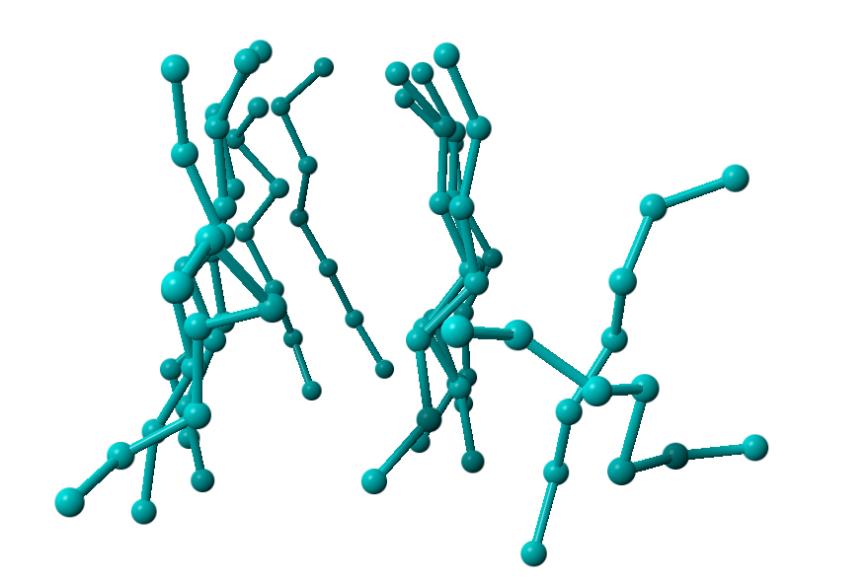 Figure 2: Equilibrated structure of peptide in DMSO.
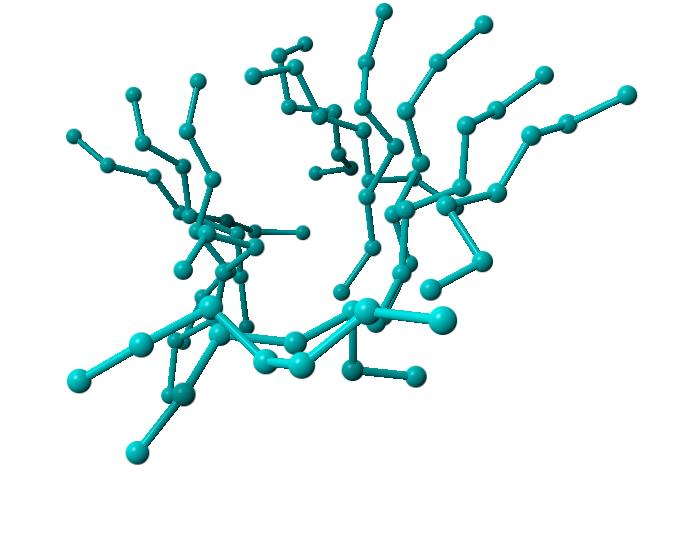 Figure 3: Equilibrated structure of peptide in methanol.
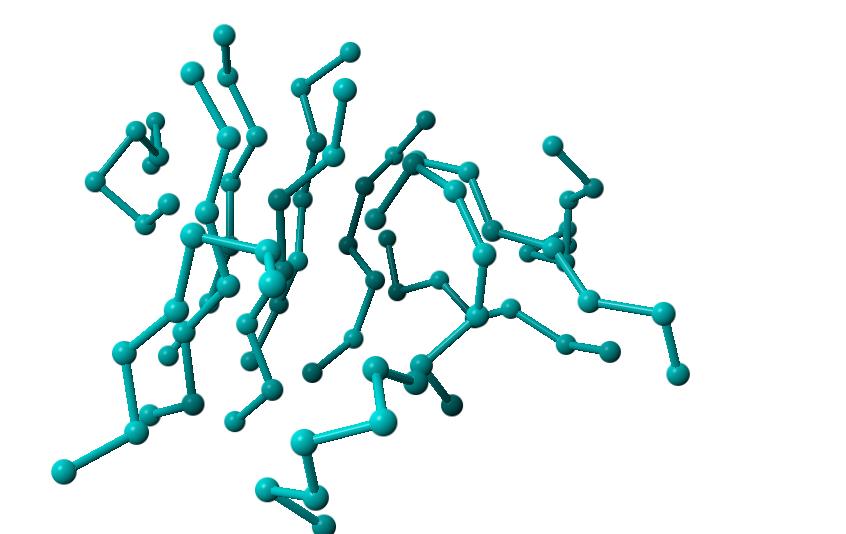 Figure 4: Equilibrated structure of peptide in water.
Acknowledgements
I would like to sincerely thank my professor, Dr. Prabhakar, for his guidance and support throughout this research experience. I greatly appreciate the time and effort he and the additional mentors that were dedicated to helping me learn and grow as a researcher.
References
- Hollingsworth, S. A., & Dror, R. O. (2018, September 19). Molecular dynamics simulation for all. Neuron. https://pmc.ncbi.nlm.nih.gov/articles/PMC6209097/
- Martinez , J. R., Tomas, M. S., & Perez, J. J. (2017, October 12). Effect of the solvent on the conformational behavior of the alanine dipeptide deduced from MD simulations. National Center for Biotechnology Information. https://pubmed.ncbi.nlm.nih.gov/29055185/
- Mierke , D. F., & Kessler, H. (2002, May 2). A molecular dynamics and quantum mechanics analysis of the effect of DMSO on enzyme structure and dynamics: Subtilisin | Journal of the American Chemical Society | ACS publications. pubs.acs.org. https://pubs.acs.org/jacsat/article-abstract/118/17/4175/68080/A-Molecular-Dynamics-and-Quantum-Mechanics?redirectedFrom=fulltext